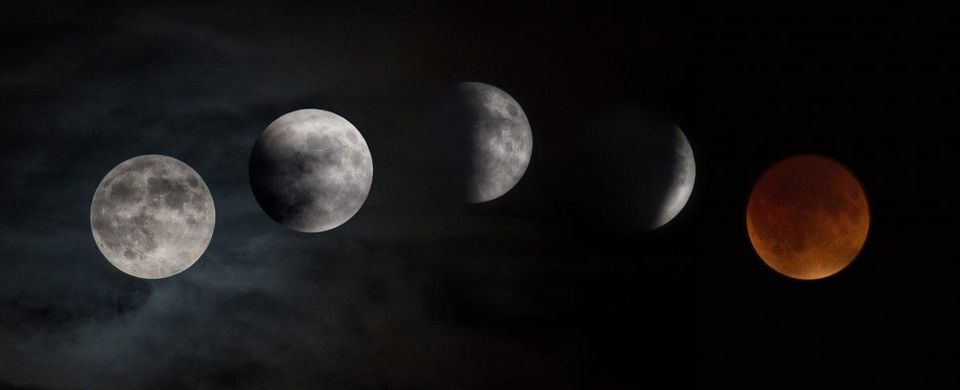
There are many different phases the Moon goes through throughout the months and years. The Moon’s surface reflects off the Sun’s rays, allowing us to see all the different phases it goes through.
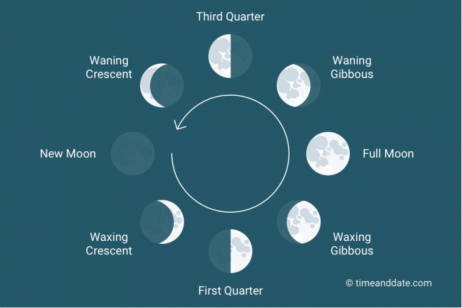
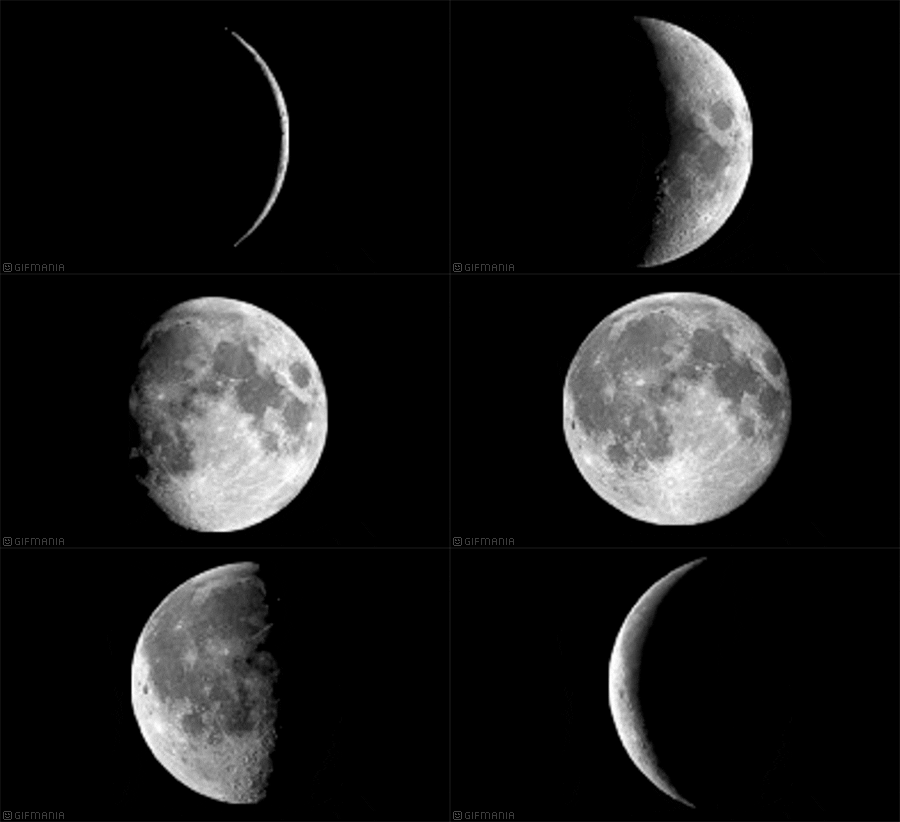
The Moon has eight different phases which we call the lunar month, divided into four primary and four intermediate phases. The primary phases occur at specific moments in time while the intermediate phases take up the time in between.

The first primary phase is called the New Moon and it occurs when the Moon and the Sun are aligned with each other, with the Sun and the Earth on opposites sides of the Moon.
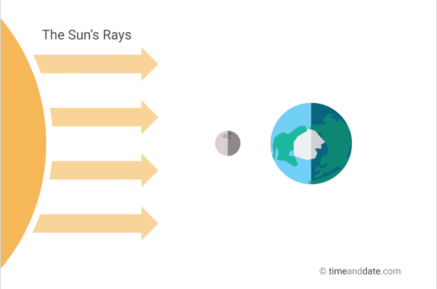
A New Moon cannot normally be seen from Earth since only the dark side of the Moon faces our planet at this point in the phase.

The first intermediate phase begins as soon as a sliver of the Moon becomes visible after the New Moon. This phase is called the Waxing Crescent Moon. This phase lasts for about seven days.
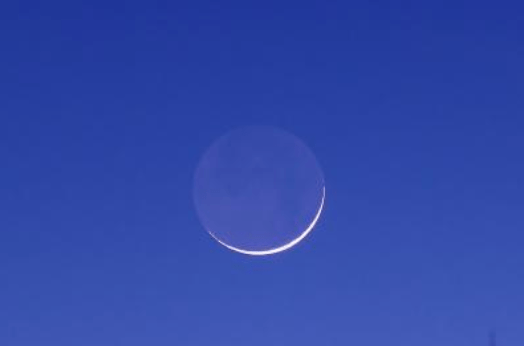
The moment the Moon has reached the first quarter of its orbit around Earth is when the phase changes to the second primary phase called the First Quarter Moon. It can also be called the Half Moon because we can see exactly 50% of the Moons surface.
Check out this video to see the First Quarter Moon phase up close and personal:
The Moon is beginning to get bigger and bigger as it reaches the next intermediate phase called the Waxing Gibbous Moon.
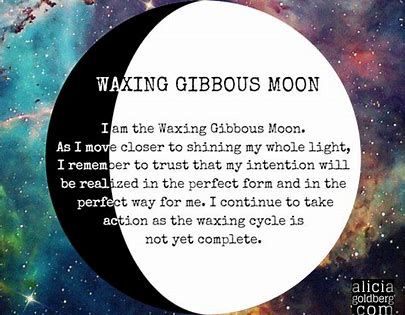
Waxing means it is getting bigger, can you guess which phase is next??
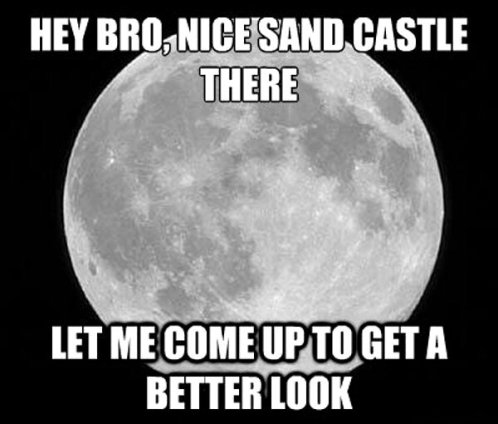
If you guessed the Full Moon, then you are correct! The Full Moon appears when the Sun and the Moon are aligned on opposite sides of Earth. This alignment technically only lasts for a moment, but it still appears to be full a day before or after because about 98% of the Moon is illuminated.
Occasionally, the Full Moon passes through Earth’s shadow causing a lunar eclipse. We actually had one earlier this year!
Another fun fact about a Full Moon is that when it comes close to the points of its orbit that are closest or farthest away from Earth, it creates a Supermoon!
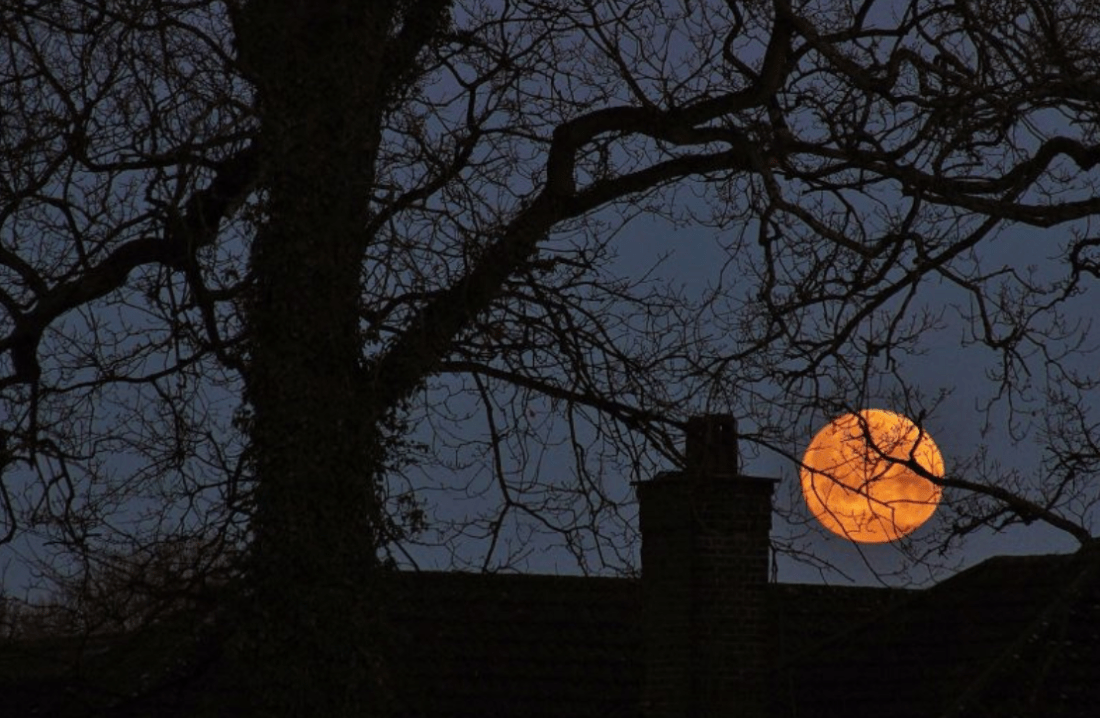
We also experienced this earlier this year on February 18 and 19. This picture below was taken by Steve Pond in East Grinstead, West Sussex:
Are you wondering when the next Full Moon is going to be? Well, mark your calendars! Here is the list of the next Full Moon’s for the rest of 2019:
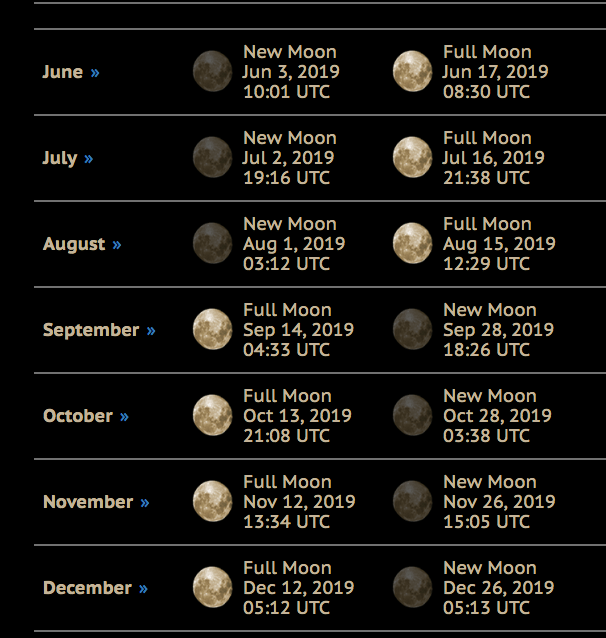
After the Full Moon phase come the next intermediate Moon phase called the Waning Gibbous Moon. It is basically the opposite of the Waxing Gibbous Moon because instead of increasing in illumination it decreases. We are currently experiencing this Moon phase!
The next primary phase is the one we are about to enter, the Third Quarter Moon, also called the Last Quarter Moon.
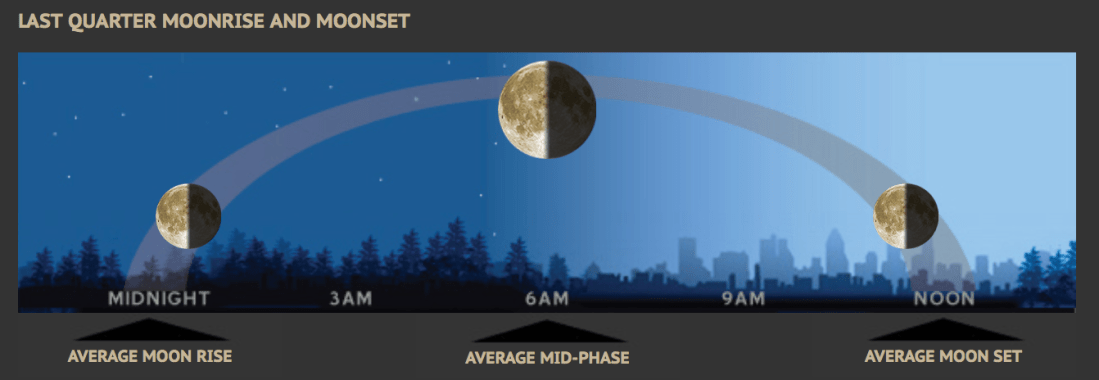
According to MoonGiant.com, the Third Quarter Moon occurs roughly three weeks after the New Moon. MoonGiant also predicts this phase will begin June 25, 2019. Illumination at this time is at 49%.
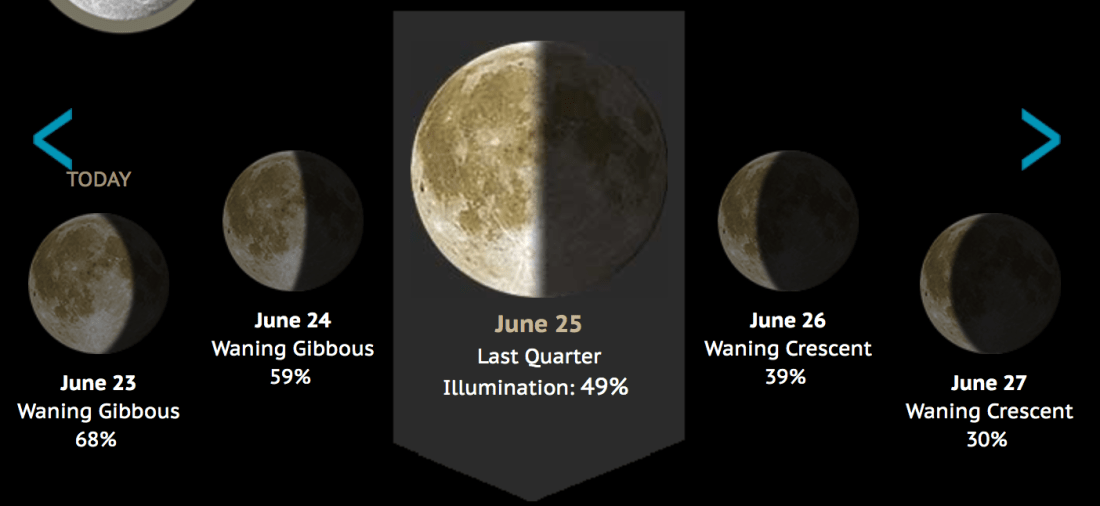
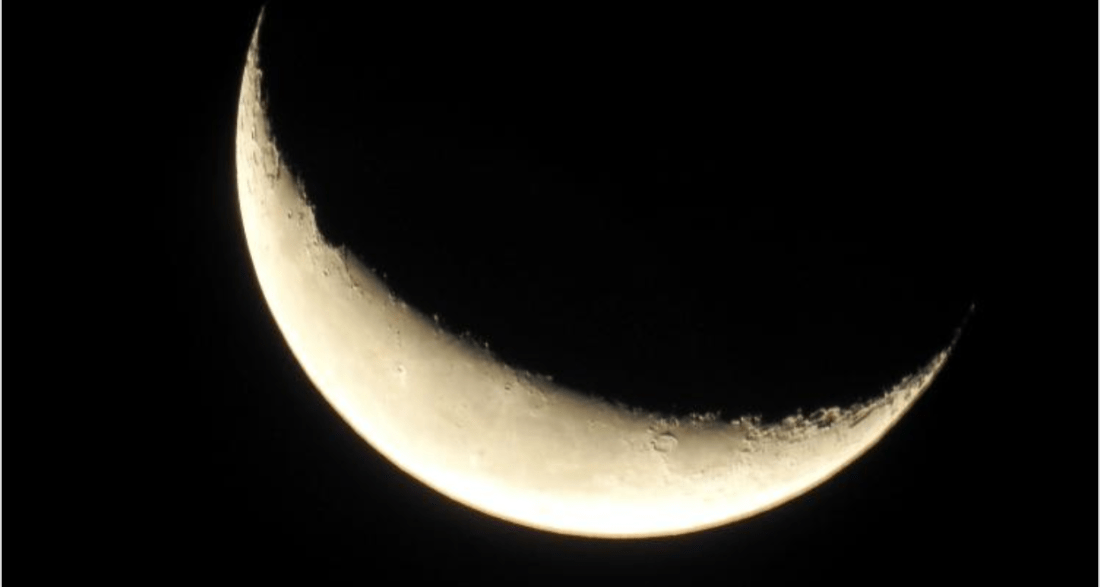
The final intermediate phase is called the Waning Crescent Moon. This occurs when the Sun illuminates less than half of the visible part of the Moon. Waning means it’s getting smaller, while crescent represents the shape visible on the Moon itself, similar to the shape of a banana!
Our Moon is an incredible thing and every phase it goes through has a certain underlying meaning. It can help us predict weather, tides in the ocean, and for some who believe, astrological horoscopes!
We are still continuing to learn more about the Moon and I don’t think the research will ever be finished but this article can help you learn a little bit more about the Moon and the phases it goes through throughout the year!
Our Moon is a phenomenal thing! Check out this easy-to-follow YouTube video about our Moon.






 Their checkered table clothes and sweet southern staff make you feel right at home! They offer everything from fried and broiled fish baskets to chicken and steak meals for a cheap price. Also, you don’t have to worry about paying for alcohol because the Sizzler lets you bring whatever you like in a brown bag, how fun!




 Emily's Blog